‘Merchant business case proven, but tougher financing environment’: 8Energies on German BESS market
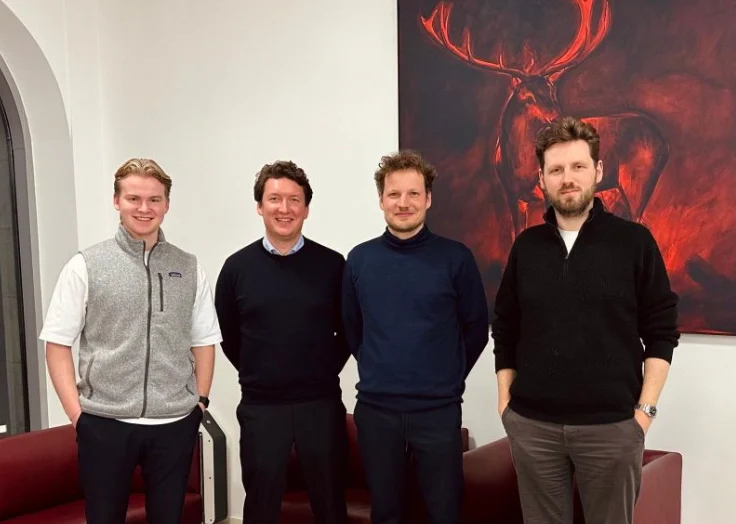
This year has seen a shift in the financing environment for merchant BESS projects in Germany for the worse.



This year has seen a shift in the financing environment for merchant BESS projects in Germany for the worse.

Czechia added 318 MWh of new battery capacity during the first half of 2026 (H1), according to figures released by Czech solar association Solární Asociace. The figure represents an 83% increase in added capacity when compared to deployments during the…
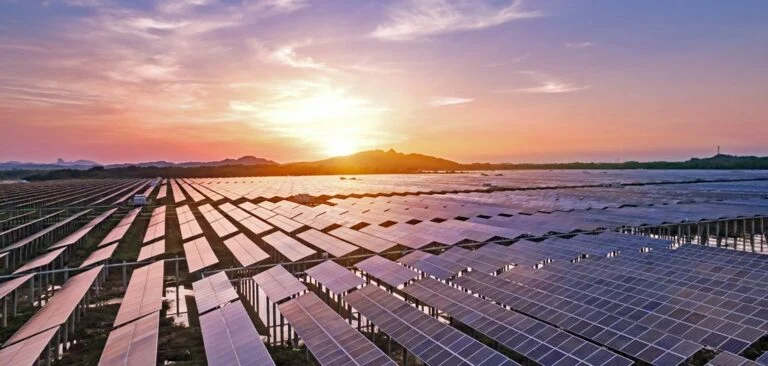
The Clean Energy Finance Corporation committed a record AU$9.1 billion (US$6 billion) in the financial year to 30 June 2026.
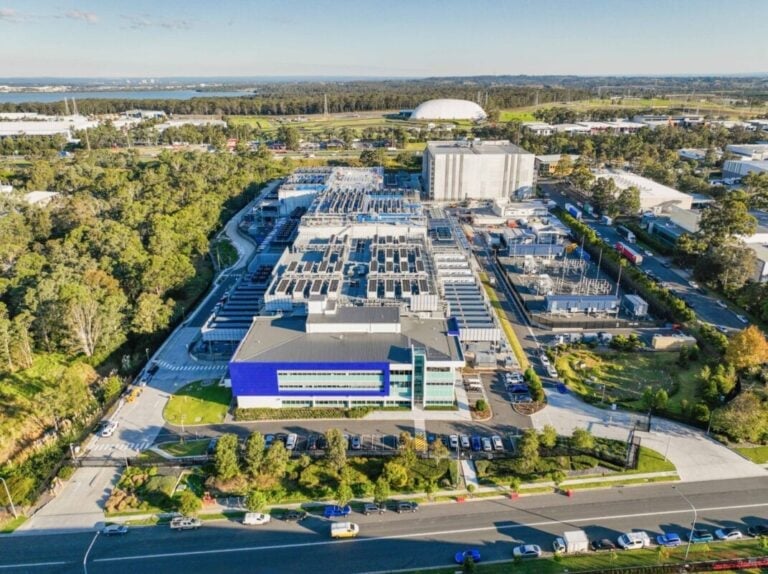
Australia’s framework governing the energy obligations of large data centres advanced on multiple fronts last week.
The European Commission has launched a call for proposals for the Battery Booster Facility, a funding instrument providing up to €1.5 billion ($1.73 billion) in interest-free loans to support battery cell manufacturing projects in the European Economic Area (EEA). The…
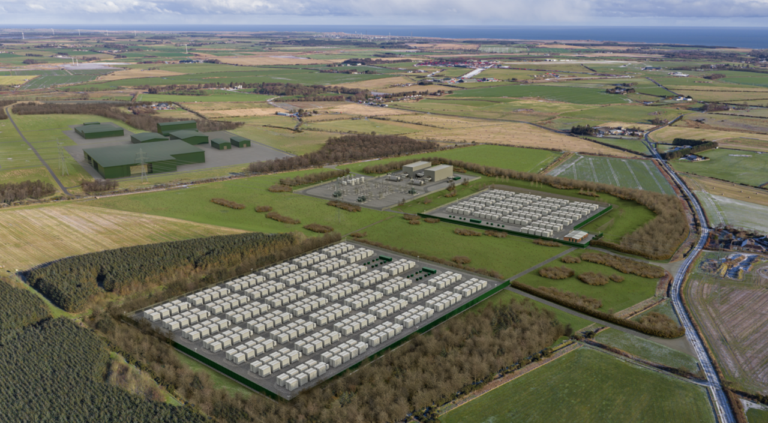
What led Field to submitting, and winning, 16- to 18-hour BESS projects in the UK’s long-duration energy storage (LDES) cap-and-floor scheme, and what are the next steps? We hear from the firm’s technical director.
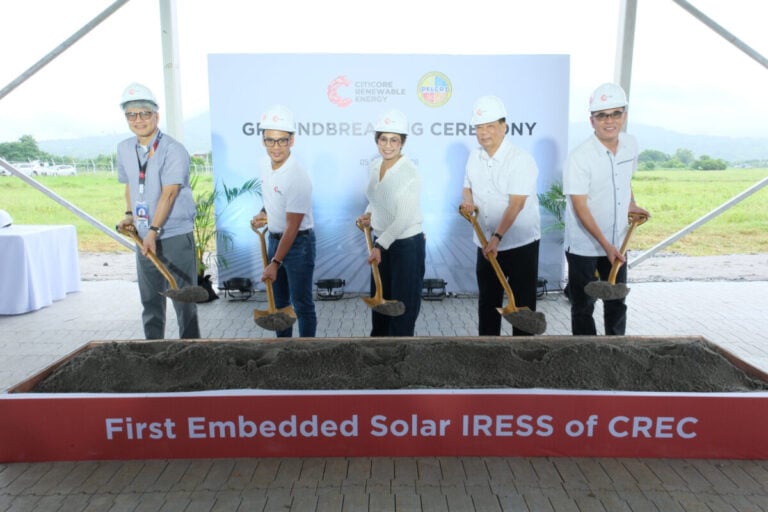
Citicore has broken ground on the country’s first embedded solar integrated renewable energy and energy storage system (IRESS) facility.
The U.S. Federal Communications Commission’s (FCC) recent decision to add foreign-made power inverters to its “Covered List” is prompting the U.S. photovoltaic and energy storage markets to accelerate the shift toward domestically manufactured equipment. An analysis shared Friday by Wood…
Cyprus has taken its first step into commercial battery energy storage, with a 5 MWh system connected to the island’s electricity grid and entering commercial operation in July. The project, developed by electricity supplier Petrolina Electric, marks the first participation of a utility battery…
MIT researchers have created a way to make more climate-informed energy siting choices and shown how it can be used to make energy systems more resilient and reduce blackouts. The researchers’ framework, described in Nature Energy, combines fine-scale meteorology with…