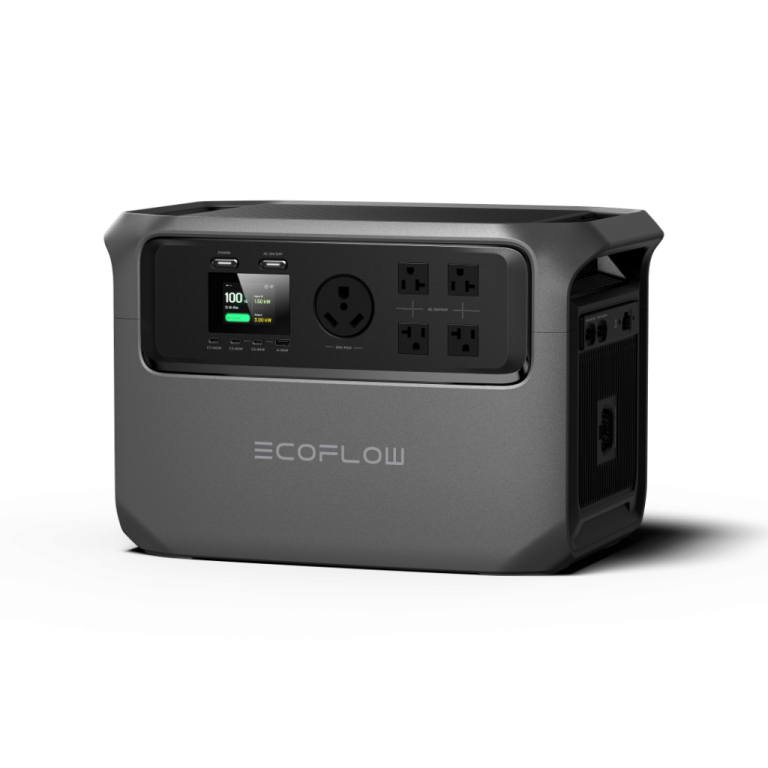



Virginia-based energy intelligence platform GridPoint has announced plans to expand its platform by offering on-site battery energy storage systems to its network of commercial clients.
The company says it is targeting 2 GW of distributed battery capacity, with co-located batteries used to provide additional value to customers at more than 20,000 sites nationwide.
For many years, GridPoint’s core business has been to offer management of HVAC, refrigeration, lighting and other controllable loads for multi-site operators like Panda Express, Walgreens and Wendy’s. The company delivers a package of hardware and software services designed to drive down customer energy costs and make management of these devices simple across a large number of sites.
Operating in this way has given the company a unique insight into its client’s energy management needs, along with a clear picture of the role battery storage could play in addressing those needs. Beyond that, company executives say their existing client portfolio gives them an advantage — they can offer a new source of value to customers who already work with their managed hardware and software platform.
“We have collected in some cases over a decade of load profile data on these multi-site businesses,” said GridPoint co-founder and CEO Adrian De Luca in an interview with pv magazine USA. “That data allows us to design more accurately and more quickly than someone else starting from scratch.”
The company sees three main use cases for the new battery offering: bill optimization, grid services, and resilience. De Luca said that while some customers won’t care much about the third of those potential benefits, the first two will help GridPoint’s customers further optimize their energy usage and costs.
De Luca explained that GridPoint’s customers already trust the company’s core energy management solutions, and he sees a desire in the market to pursue the additional savings opportunities batteries can provide — financed, installed and managed by GridPoint.
“Customers love the value propositions that these assets represent,” the CEO said. “The ability to drive down further savings on energy bills, the ability to participate in this growing number of grid services programs and get some revenue back into their facilities groups, and in some cases provide resilience. But they don’t want to have additional responsibility for managing these new assets.”
Initially, the company plans to use off-the-shelf batteries in integrated offerings, and start by offering its customers value through intelligent management of their energy usage. De Luca pointed out that GridPoint’s customers are “feeling the pain,” with bills that have risen more than 40% in the past four years, and increasingly complex commercial tariffs that now feature seasonal rates and increased demand charges.
De Luca said the company will also pursue other ways to monetize the batteries it installs, including off-take agreements with buyers of distributed capacity and gird services.
However, De Luca says Grid Point will seek to avoid “boom-and-bust cycles” he’s seen play out in the storage market in the past. “We want to be thoughtful about how we participate in these programs and use them as the second and third pieces of the stack,” he said. “The first piece, the largest piece, the most predictable and easily underwritable piece, is what we’re doing on the bill savings side.”
A return in two ways
The new battery initiative represents a return to GridPoint C-Suite for De Luca, who co-founded the company and most recently led grid-edge technology investments at I Squared Capital.
According to GridPoint chairman Peter Corsell, the initiative itself represents a return to battery technology for the company. “When Adrian and I started the company a couple decades ago, batteries were very core to our thesis. Every single product GridPoint sold for the first four years of its life had a battery inside it,” Corsell told pv magazine USA.
The chairman went on to explain that the company moved away from batteries due to economic constraints in the early-2000s market. De Luca added that the company has been considering the economics of deploying batteries for several years, running analyses to look at things like commercial tariff structure, demand charge management and demand response programs.
“It didn’t pencil in enough places for us to say, ‘Okay, we want to go and allocate a significant amount of resourcing to go and build an offering and really a business unit around that concept.’ It just wasn’t quite there yet,” De Luca said. “Then, in the last 18 months, we ran the numbers again and they shifted dramatically. It’s a function of input costs continuing to come down, following a pretty similar pattern to what we saw on the PV side.”
“It’s really honestly heartwarming to see what’s happened for the battery industry, the opportunity that now exists,” said Corsell.
The post GridPoint launches energy storage for existing clients, targets 2 GW of distributed installs appeared first on Energy Storage.