


Vietnam is preparing to transition its power system beyond basic Time-of-Use (TOU) tariffs and industrial demand response programs toward virtual power plants (VPPs).
According to a publication by Vietnam’s Ministry of Industry and Trade (MOIT) via its Industry Agency and penned by Nguyen Huy Hoach, Scientific Council of the Vietnam Energy Journal, authorities are beginning to express early thoughts on aggregation platforms. The concept, one explored in many other regions, will aim to link what the country said will be distributed rooftop solar, behind-the-meter battery energy storage systems (BESS), and electric vehicles into flexible grid assets.
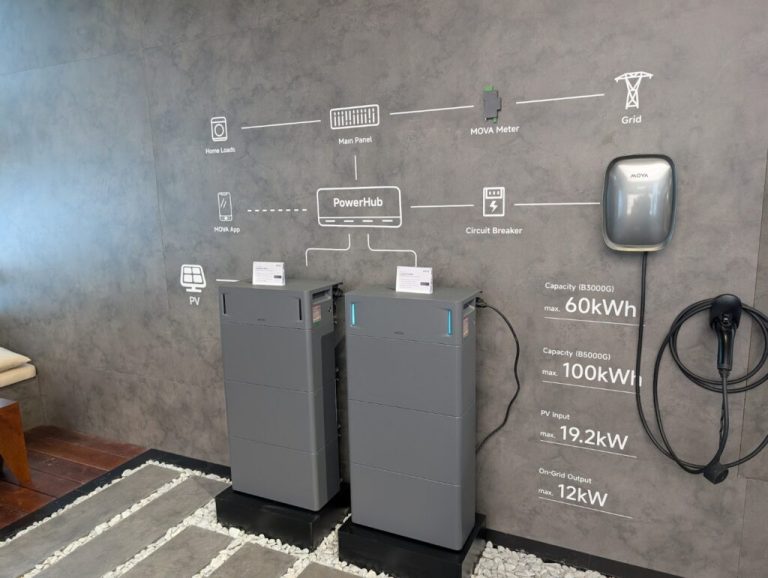
By orchestrating thousands of distributed energy resources (DERs) through algorithmic dispatch and controls, grid operators can absorb potential midday PV generation, and dispatch stored energy during the evening peak.
MOIT’s rapid public framing of VPPs is notable, with the country overbuilding solar, which led to severe grid bottlenecks and curtailment across central and southern provinces. The move, with MOIT outlining VPP aggregation, suggests potential benefits for the grid.
Vietnam’s market architecture, with state utility EVN maintaining a near-monopoly on transmission and single-buyer dispatch, means that for VPPs to deliver real balance sheet viability, the country will need clear aggregation framework, under its market rules.
In the publication, the author noted, “The remaining issue is to develop a suitable roadmap and mechanism so that dispersed resources can participate in the electricity market effectively and transparently.”
The post Vietnam lays early policy groundwork to aggregate rooftop PV, storage, and EVs into VPPs appeared first on Energy Storage.