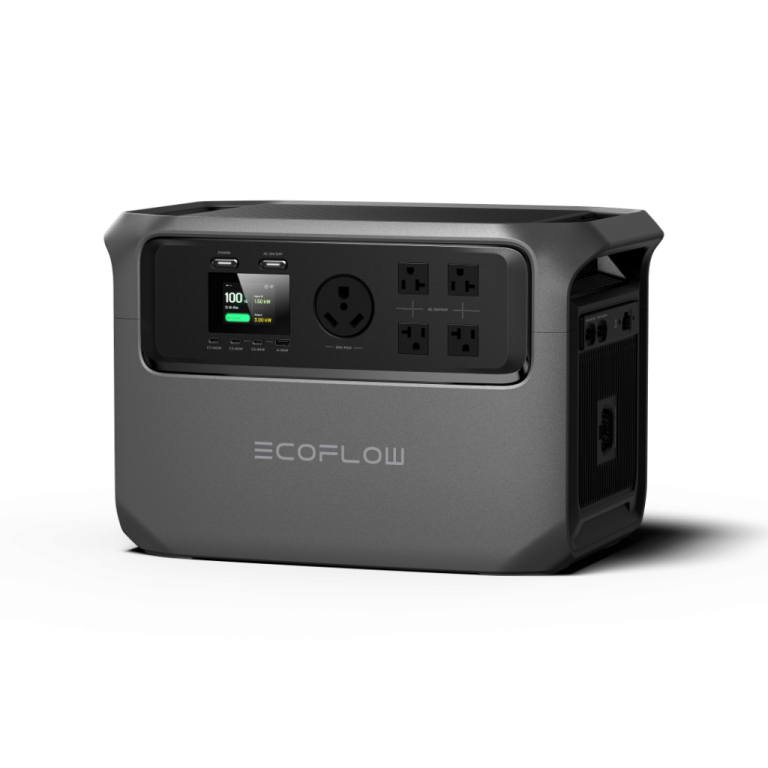



Adding a 5 kWh battery to a typical 3 kW household rooftop solar system in India would cut the electricity exports to the grid during the day by 85% to 90%, but under the current net metering regime the household gains nothing from batteries, according to new analysis by global energy think tank Ember.
The battery stretches payback from 3.3 years for solar alone to over nine years. If incentives under the PM Surya Ghar scheme were extended to cover a part of the battery cost, say 50%, the payback could fall to 6.3 years.
India’s rooftop solar capacity has tripled since the scheme launched in 2024, reaching 30.7 GW by July 2026 — nearly a fifth (19%) of the country’s 165 GW of installed solar. Half of that capacity now sits on the roofs of over 5 million households, which use little electricity in the middle of the day and much more in the evening. Their surplus solar is exported at noon and drawn back after dark, with the grid acting as a nearly free virtual battery.
Ember’s analysis finds that pairing rooftop systems with batteries would turn this growing, hard-to-forecast flow of exports into a source of flexibility for the power system, and that subsidizing hybrid rooftop systems for even half of the scheme’s current 10 million target in the next tranche would build 15 GWh to 25 GWh of distributed storage.
Under India’s net metering framework, a unit of solar exported at noon is credited one-to-one against a unit consumed in the evening. Electricity distribution companies (DISCOMs) therefore have to credit cheap daytime exports against power they may have to buy at a far higher price.
Because households can bank unlimited surplus solar and withdraw it at any time, they have no financial reason to add a battery. Ember modeled a 3 kW rooftop system for a household using 350 units a month. Solar alone costs INR 87,000 after the INR 78,000 PM Surya Ghar subsidy and pays back in 3.3 years. Adding a 5 kWh battery cuts daytime exports by 85% to 90% — around 1,600 to 1,800 units a year shifted to the evening — but raises the overall system cost and stretches the payback period to nine years. The grid gains, but the consumer does not, which builds a case for financial incentives for households.
For example, a 50% subsidy on battery capital costs would bring payback for a solar-plus-battery system down to 6.3 years. Ember proposes delivering it through the next tranche of PM Surya Ghar: Muft Bijli Yojana. Subsidizing hybrid systems for even half of the current scheme’s 10 million target would create 15 GWh to 25 GWh of distributed storage. States could follow Tamil Nadu and Bihar in topping up the central subsidy, but direct that top-up at the battery cost gap rather than solar alone.
Batteries installed now would also prepare households for reforms that might be applicable in the future. The analysis considers two such scenarios. In the first, it finds that with a 40% cap on banked exports, a subsidized hybrid rooftop solar system would pay back in 6.5 years. In the second, if banked solar could not be withdrawn during the 6 p.m. to 10 p.m. peak and a 20% peak surcharge applied, payback would be 5.7 years after including subsidies. Notably, home batteries would also enable consumers to participate in future demand response programs.
Kerala, Maharashtra and Uttar Pradesh have begun exploring rooftop solar-plus-battery systems, and the Central Electricity Authority has suggested DISCOMs could mandate two hours of storage alongside rooftop installations. Ember’s analysis argues that a targeted subsidy would address the upfront cost barrier so that policy and regulatory changes can be made without stalling the rooftop boom.
The views and opinions expressed in this article are the author’s own, and do not necessarily reflect those held by ESS News.
From pv magazine India
The post India rooftop solar subsidy could unlock up to 25 GWh of battery storage appeared first on Energy Storage.